

Do Any of These Sound Familiar
Sleep and breathing concerns don’t always look obvious — they often show up as small daily frustrations.
Common signs in children
Common signs in teens & adults

Breathing through the mouth day or night instead of the nose.
Mouth Breathing

Snoring, grinding, or heavy breathing during sleep.
Snoring or Noisy Sleep

Tossing, turning, frequent waking, or unusual sleep positions.
Restless Sleep

Persistent bedwetting beyond the typical developmental stage.
Bedwetting

Difficulty concentrating, hyperactivity, or daytime irritability.
Focus or Behavior Concerns

Crowded teeth, crossbites, or a high, narrow upper jaw.
Narrow Palate or Crowding

Regular snoring or disrupted breathing during sleep.
Snoring
Sleeping 7–8 hours but still feeling exhausted.
Waking Tired
Waking up with a dry throat or bad taste.
Dry Mouth in the Morning
Morning headaches, clenching, or tight jaw muscles.
Headaches or Jaw Tension
Difficulty focusing, low energy, or sluggish thinking.
Brain Fog
Frequent waking, light sleep, or never feeling fully rested.
Poor Quality Sleep
If several of these feel familiar, an airway-focused evaluation may help identify why.
Why the Mouth Matters
Your airway isn’t just your nose and throat — oral structure influences space, posture, and breathing patterns.
The size and shape of the jaws, the width of the palate, and the resting position of the tongue all affect how air moves during sleep.
When space is limited, or posture is altered, breathing can become strained — especially at night.
Small structural changes can influence long-term breathing patterns.

Narrow Airway Space
Reduced room for the tongue and soft tissues.

Mouth Breathing
The body compensates when nasal airflow feels limited.

Disrupted Sleep
More effort to breathe can fragment rest.

Clenching or Tension
The body may brace to stabilize airflow.
While dentistry does not replace medical sleep evaluation, oral structure often plays a meaningful role in overall breathing health.
What You Can Expect
A simple, pressure-free first visit — designed around you.
1
We Start With a Conversation
We review sleep habits, symptoms, medical history, and daily breathing patterns. We listen first — no tools, no pressure.
2
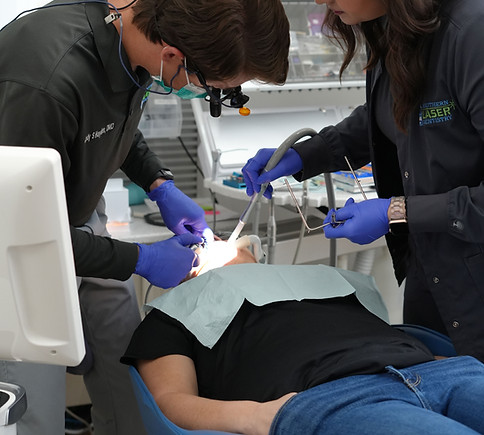
We evaluate bite alignment, palate width, tongue posture and mobility, and overall oral development.
Our goal is to assess how structure may be influencing airflow.
3
Move When You’re Ready
Many patients tell us they wish they had come sooner.
Airway-Focused Clinical Exam
Treatment only begins when you feel comfortable.
We go at your pace.
Sleep, Airway, and Mouth Breathing FAQs
Still have questions? Our team is here to help you feel confident before your visit.
Breathing and Sleep May Be Affecting More Than You Realize
Airway and breathing issues can affect sleep quality, energy levels, and overall development. We take a closer look at how you or your child breathes and provide guidance on next steps when needed.
Focused on early identification and long-term health
